
Top 10 Benefits of Introducing STEM Education in Schools
Education is changing. The world our children are growing up in is not the same world we grew up in. Technology is evolving rapidly, industries are transforming, and careers that didn’t exist ten years ago are now in high demand.
In this fast-moving environment, one thing has become clear: traditional learning alone is no longer enough. Schools must prepare students not just to pass exams, but to solve real-world problems. This is where STEM education becomes essential.
STEM — Science, Technology, Engineering, and Mathematics — is more than just a subject combination. It is a way of thinking, learning, and innovating.
Let’s explore the top 10 benefits of introducing STEM education in schools.
- Develops Critical Thinking Skills
STEM education encourages students to ask “why” and “how,” not just “what.”
Instead of memorizing answers, students:
- Analyze problems
- Test solutions
- Evaluate outcomes
- Improve their ideas
This habit of thinking critically stays with them for life.
- Strengthens Problem-Solving Ability
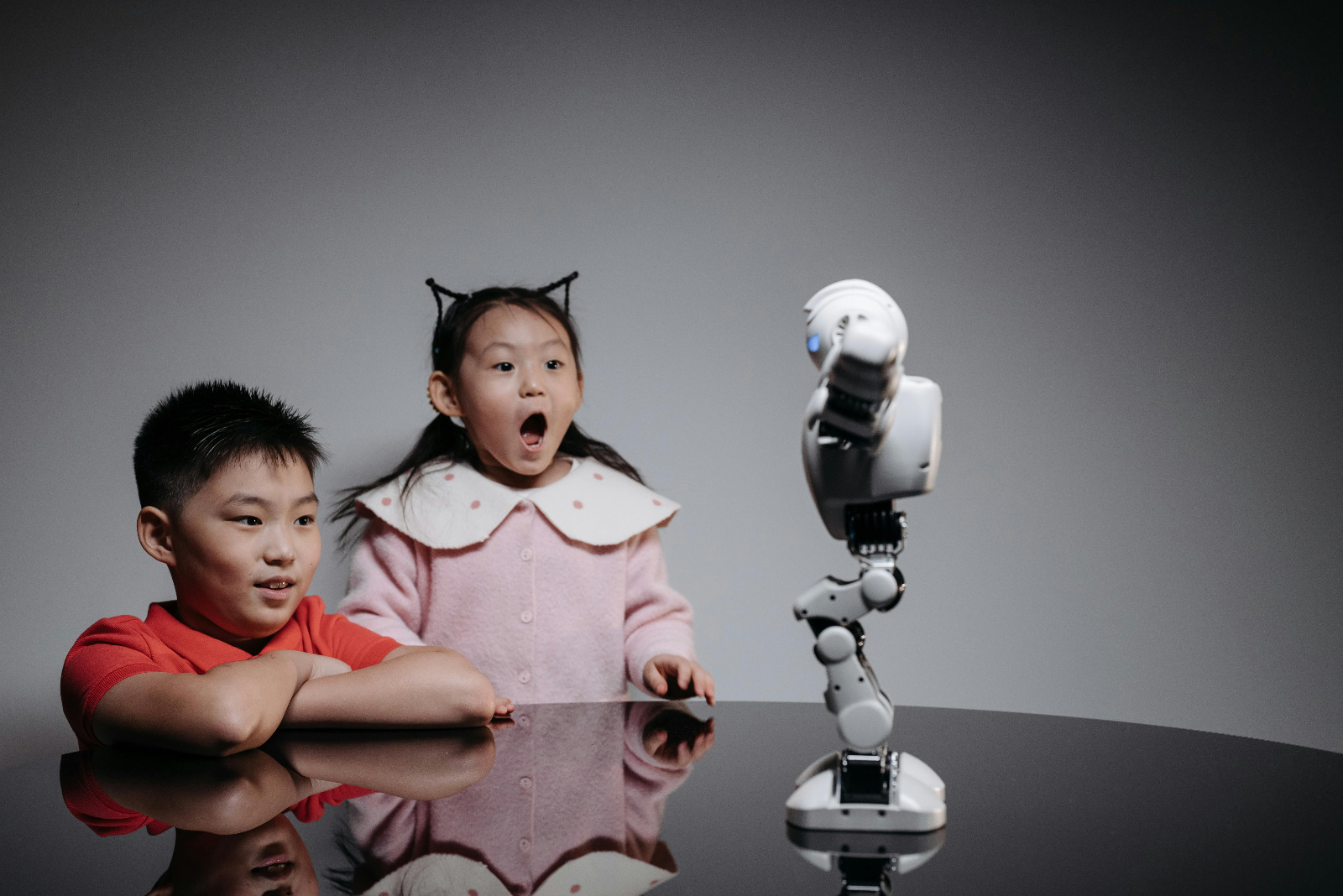
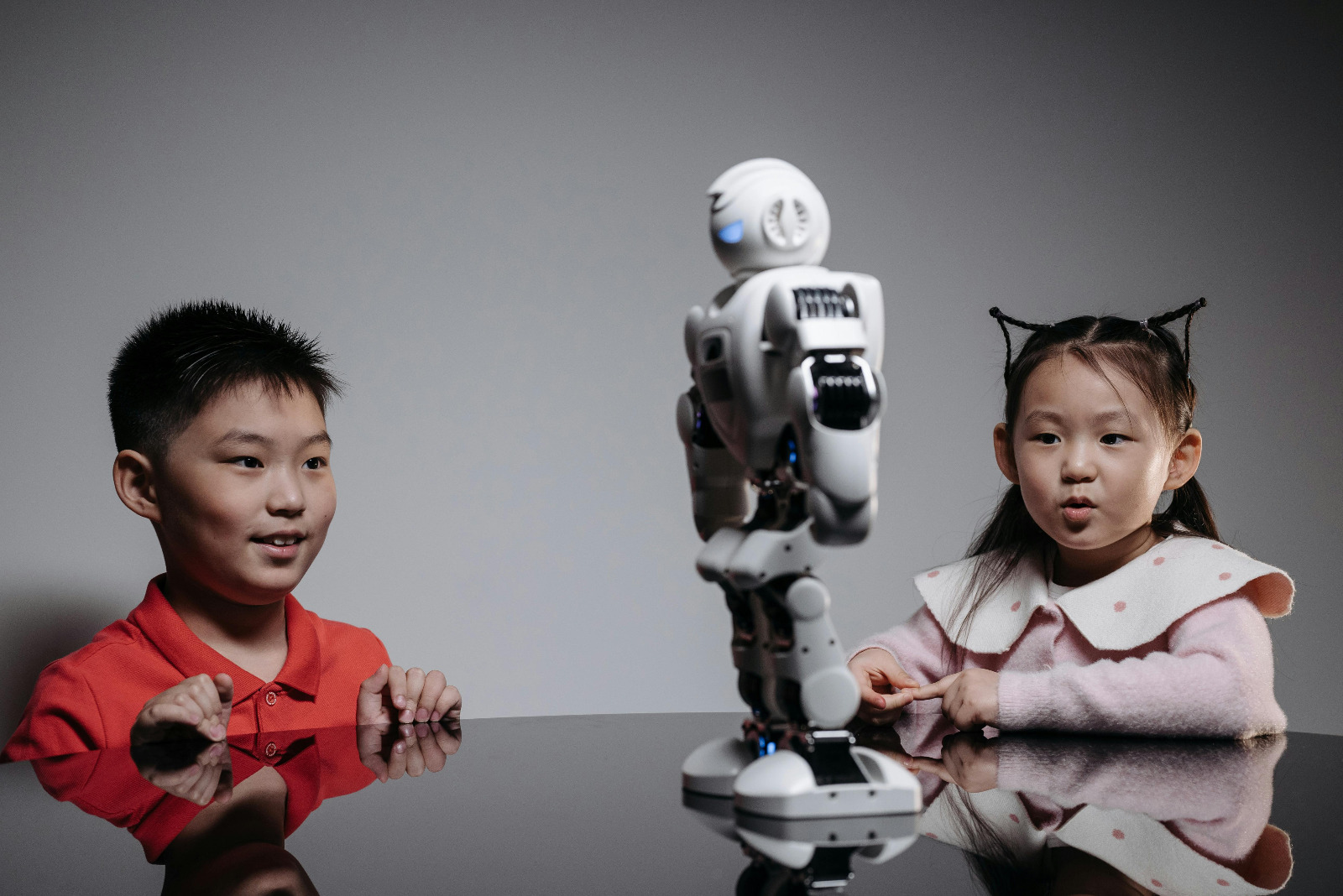
In STEM classrooms, students face real challenges. They might build a robot, design a simple machine, or solve an engineering problem.
Through this process, they learn:
- How to approach complex situations
- How to break big problems into smaller steps
- How to persist when solutions don’t work the first time
Failure becomes part of learning — not something to fear.
- Encourages Creativity and Innovation
Many people think STEM is only technical. In reality, it is deeply creative.
When students design projects, code programs, or build prototypes, they are:
- Imagining new possibilities
- Creating original solutions
- Thinking beyond textbooks
Innovation begins in classrooms that allow experimentation.
- Builds Confidence Through Hands-On Learning
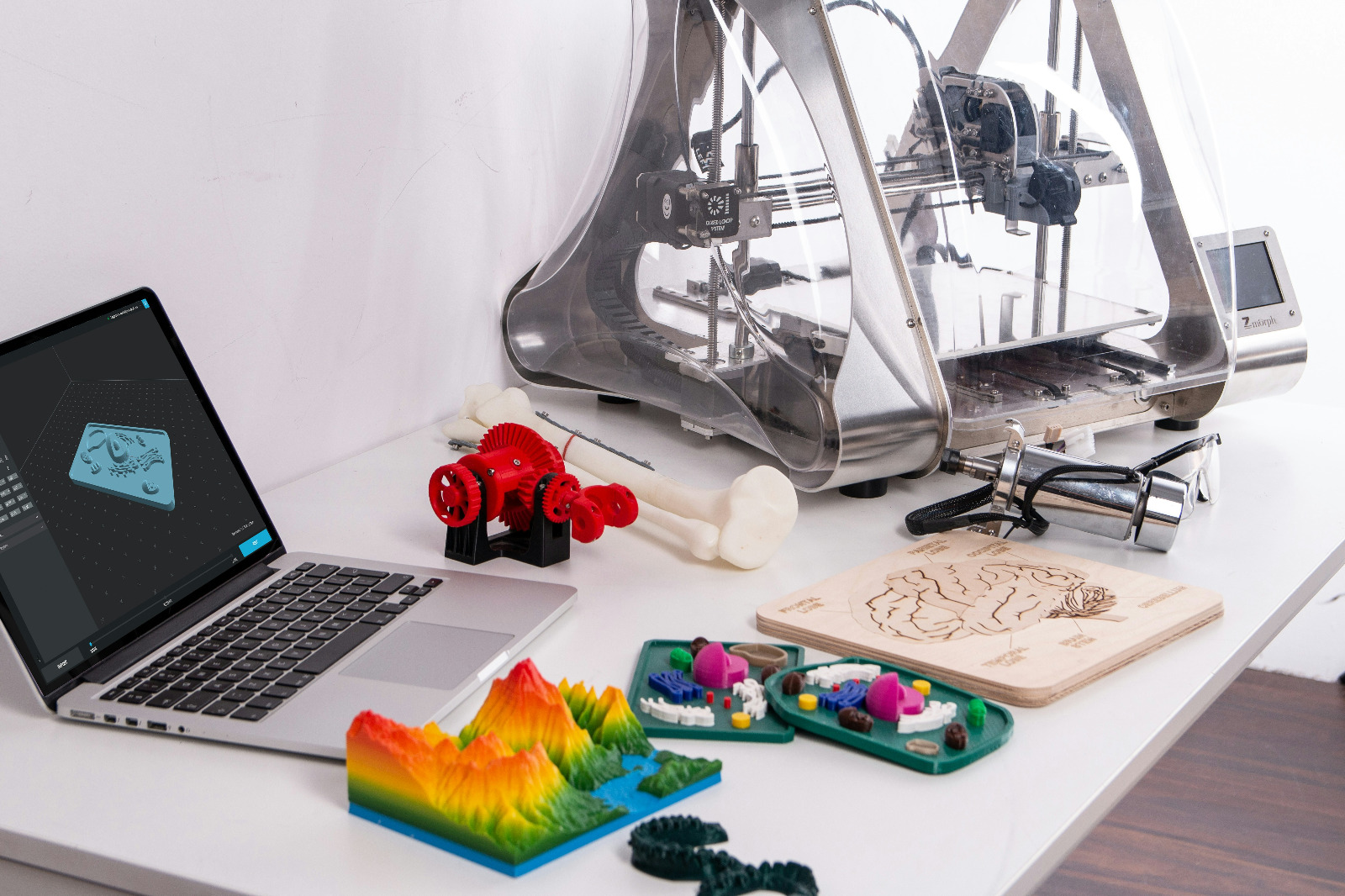
When students physically build something and see it work, their confidence grows naturally.
Hands-on STEM activities:
- Make learning exciting
- Increase student engagement
- Provide real achievement experiences
Students begin to believe, “I can create something meaningful.”
- Prepares Students for Future Careers
The global job market is shifting toward technology-driven industries.
Careers in:
- Robotics
- Artificial Intelligence
- Data Science
- IoT
- Engineering
…are growing rapidly. Introducing STEM early ensures students are not left behind in the future workforce.
- Promotes Teamwork and Collaboration
Most STEM projects are not done alone. Students work in groups, share ideas, and learn to communicate effectively.
This helps them develop:
- Leadership skills
- Communication skills
- Respect for different perspectives
These are essential skills in any profession.
- Connects Classroom Learning to Real Life
One of the biggest challenges in traditional education is relevance. Students often ask, “When will I ever use this?”
STEM answers that question.
Through real-world applications, students understand:
- How science applies to daily life
- How technology shapes society
- How mathematics solves practical problems
Learning becomes meaningful.
- Encourages Adaptability in a Changing World
Technology changes constantly. Students exposed to STEM learn to adapt.
They become:
- Comfortable with new tools
- Open to learning new systems
- Ready to evolve with innovation
Adaptability is one of the most valuable traits in today’s world.
- Inspires Entrepreneurial Thinking
STEM education does not just prepare students for jobs — it prepares them to create jobs.
By solving real problems, students begin to think:
- Can this idea become a product?
- Can this solution help people?
- Can this turn into a business?
Innovation and entrepreneurship often begin with STEM foundations.
- Builds a Strong Foundation for Higher Education
Students who are exposed to STEM early often perform better in advanced studies in science, engineering, technology, and mathematics.
Early exposure:
- Reduces fear of technical subjects
- Builds conceptual clarity
- Strengthens academic performance
This gives them a competitive advantage in higher education.
Conclusion
Introducing STEM education in schools is no longer optional — it is necessary.
It transforms classrooms from places of passive learning into environments of exploration and discovery. It builds thinkers, creators, innovators, and leaders.
For schools aiming to prepare students for the future, STEM is not just a program — it is a mindset.
Let’s Build the Future Together
STEM education is not just about science and technology. It’s about nurturing thinkers, innovators, and problem-solvers who can confidently shape tomorrow’s world.
When schools introduce STEM, they are not simply upgrading their curriculum — they are investing in a generation that can adapt, create, and lead.
– Discover EdTech’s STEM & Robotics programs.
– How is your school preparing students for future careers? Share your thoughts in the comments.
– Stay connected with EdTech on Facebook, Instagram , and YouTube for more insights on hands-on learning and future-ready education.